Mastering Integration with Zapier Klaviyo
This article offers a comprehensive guide on effectively utilizing Zapier with Klaviyo for seamless automation in marketing operations. Zapier acts as a powerful integration tool, allowing businesses to connect various web applications. Klaviyo, on the other hand, is a robust email marketing platform. Together, they enhance campaign management efficiencies. The collaboration of these tools can optimize workflows, increase productivity, and ultimately drive better engagement and conversions.

Understanding the Power of Zapier and Klaviyo Collaboration
In the competitive world of digital marketing, efficiency and automation are crucial. Zapier, a leading integration tool, plays a significant role in connecting various web applications without needing extensive code. On the other hand, Klaviyo stands out in the realm of email marketing, offering powerful features for targeted messaging and customer engagement. By integrating Zapier with Klaviyo, businesses can achieve seamless automation, enhancing their marketing strategies and improving operational workflows.
The Significance of Automated Integration
The integration of Zapier with Klaviyo provides businesses with the ability to automate numerous processes that would otherwise require manual labor, ensuring that marketing campaigns are not only more efficient but also more strategic. By setting up Zaps—automated workflows—users can connect Klaviyo to various applications to streamline tasks such as syncing data, automating follow-ups, or updating customer information based on specific triggers. This automation is not only a time-saver; it also minimizes errors that can occur during manual entry, ensuring that your customer and prospect data is both accurate and up-to-date.
Imagine a scenario where a business receives many online orders daily. Without automation, a marketer might have to manually enter customer data from their e-commerce site into Klaviyo to build personalized email marketing lists. This process can be painstakingly slow, difficult, and prone to errors. By utilizing Zapier, every time a new product is purchased, their details can automatically flow into Klaviyo without manual input. This allows the marketing team to launch targeted email campaigns to these customers with actual purchase histories, thus increasing conversions.
Setting Up Zapier with Klaviyo: A Step-by-Step Guide
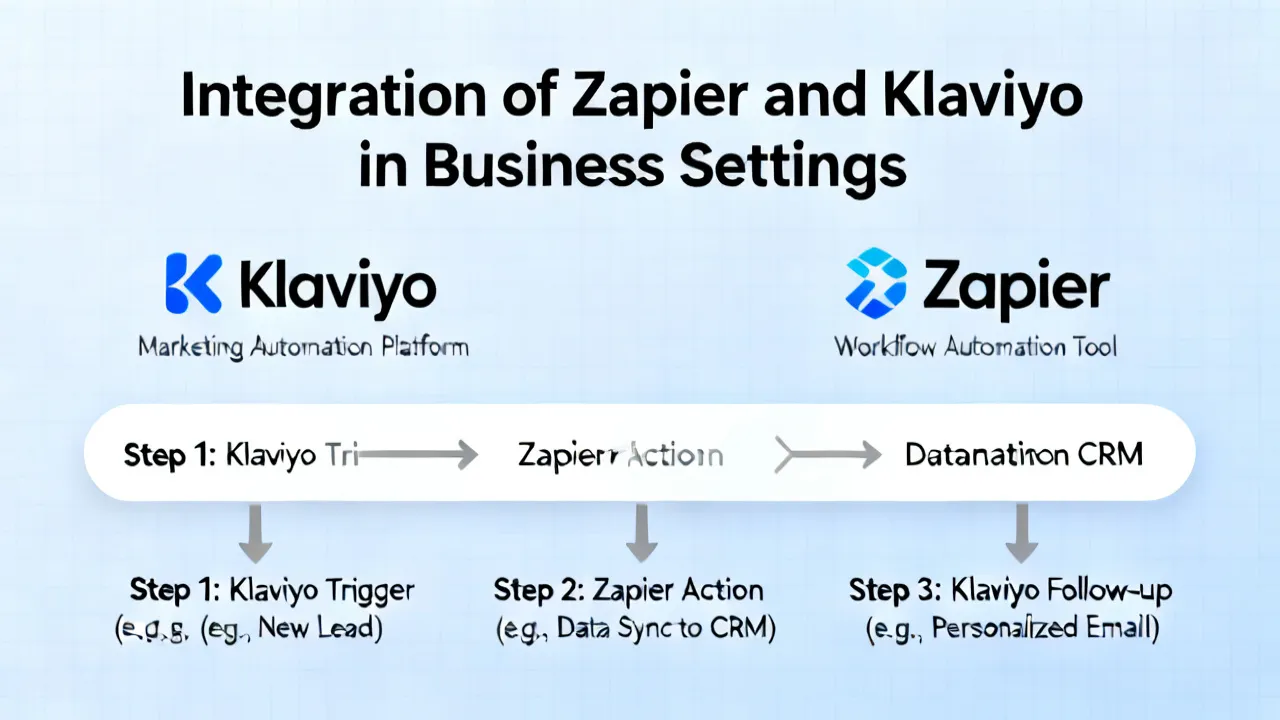
Embarking on this integration journey involves a few straightforward steps that begin with deciding which data points you'd like to sync or automate. Whether it's about adding new subscribers from one platform to another or automating post-purchase follow-up emails, the possibilities are expansive:
- Account Setup: Start by creating accounts on both Zapier and Klaviyo if you don't have them yet. This initial step is crucial as it unlocks the array of features both tools offer.
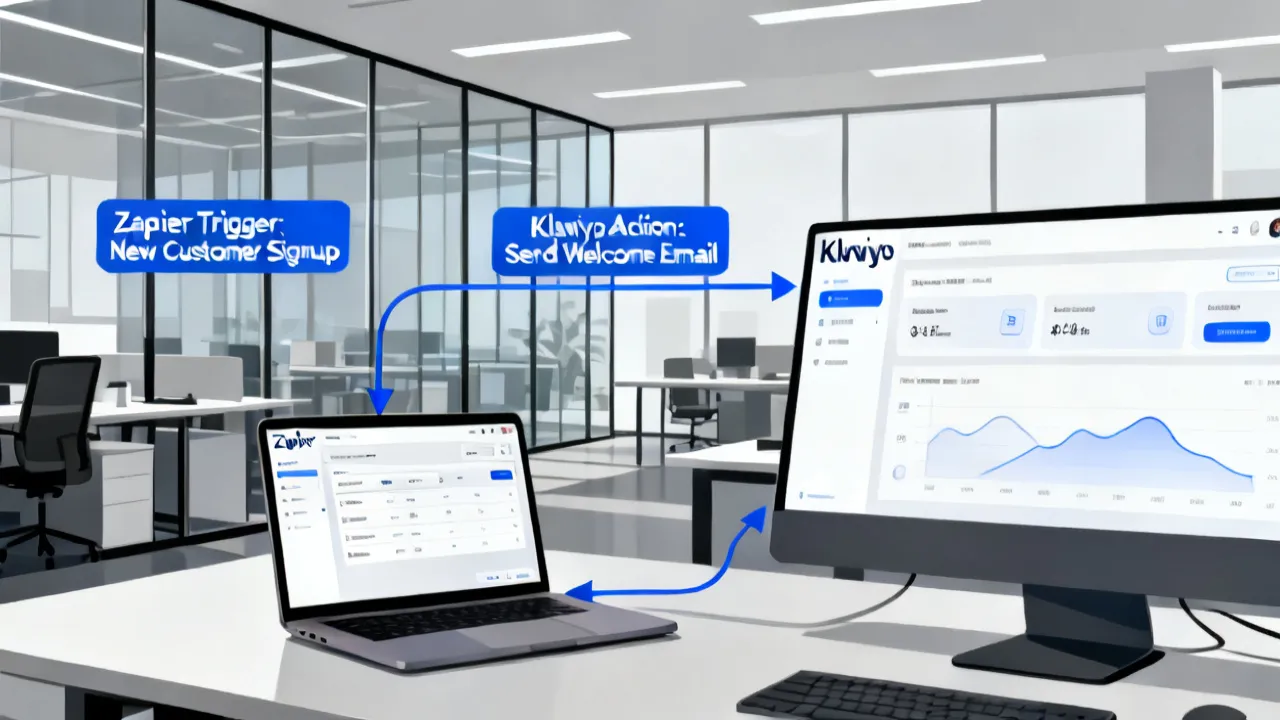
- Choose Your Trigger and Action: In Zapier, pick an event in one app that will trigger an action in Klaviyo. For instance, you might want to trigger the creation of new subscribers in Klaviyo when a purchase is made on Shopify. This setup allows your marketing messages to be timely and relevant.
- Configure the Zap: Customize the Zap based on your needs. This might involve setting specific parameters or conditions that should be met before performing the action. The flexibility here allows nuanced automations such as only adding customers who have opted into a newsletter or segmented lists based on their purchase behavior.
- Test Your Zap: Before going live, test your Zap to ensure everything works smoothly and the data flows as expected. Testing is vital for troubleshooting potential issues early on, providing peace of mind before full implementation.
- Finalize Integration: Once satisfied, activate the Zap. Monitor its performance and refine it as necessary to maximize efficiency. Regularly checking in on these automations makes sure everything is functioning correctly and allows businesses to adapt to any changes in data flows or customer behaviors.
Integration Benefits
Utilizing Zapier with Klaviyo provides an array of benefits that can significantly optimize marketing and operational efficiency:
- Enhanced Workflow: Streamline processes to minimize manual efforts, allowing teams to focus on creativity and strategy rather than repetitive tasks. This enhancement leads to more effective campaigns, as marketers have additional time to engage in strategic planning rather than being bogged down by administrative tasks.
- Increased Productivity: The quick setup and automation of routine tasks afford time for employees to concentrate on more crucial business objectives. For example, a marketing team can focus on analyzing campaign performance rather than sorting through thousands of email addresses to ensure they are current and accurate.
- Better Data Accuracy: Automated data syncing reduces the risk of human error, ensuring that customer information is up-to-date and reliable. This accuracy is fundamental for segmentation and targeted messaging, directly impacting marketing effectiveness and customer satisfaction.
- Improved Customer Journeys: With the integration, businesses can create more personalized customer journeys. By having real-time access to customer data and behavior, teams can tailor communications to specific audience segments, enhancing customer engagement.
- Scalability: As a business grows, the amount of data handling can skyrocket. Zapier and Klaviyo's automation allows businesses to scale their operations without proportional increases in labor, making it easier to handle larger volumes of customer data and interactions.
Comparison of Features: Zapier and Klaviyo
| Feature | Zapier | Klaviyo |
|---|---|---|
| Primary Function | Integration and automation of apps | Email marketing and customer engagement |
| User Interface | User-friendly and intuitive | Rich in marketing automation features |
| Customization | Highly customizable with vast app connections | Advanced segmentation and personalization options |
| Integration Possibilities | Connects with thousands of apps | Seamlessly connects with major e-commerce platforms |
| Real-time Data Processing | Allows immediate data transfer between apps | Utilizes real-time data for targeted email campaigns |
| Conditional Logic | Supports filters and paths based on data conditions | Supports segmentation based on customer behavior and preferences |
Use Cases for Zapier and Klaviyo Integration
Beyond the initial appeal of integration, exploring specific use cases can help businesses visualize how powerful this collaboration can be in practice:
1. E-commerce Customer Follow-ups
A common use case is using Zapier to automate follow-up emails after a customer makes a purchase through an online store. For instance, after a customer buys a product from an e-commerce platform like WooCommerce, Zapier can instantly add that customer to a Klaviyo list. Subsequently, Klaviyo can trigger a series of emails, thanking them for their purchase, asking for feedback, or suggesting related products. Automated follow-ups not only enhance customer satisfaction but also improve the chances of repeat purchases.
2. Abandoned Cart Recovery
Another valuable application is in recovering abandoned carts. If a customer leaves a product in their shopping cart without completing the purchase, Zapier can help track that event. By integrating with tools like Shopify, it can automatically send a reminder email via Klaviyo after a specified delay. This gentle nudge can help recover potentially lost sales and encourages users to complete their purchase.
3. Event Registrations
For businesses that host events or webinars, integrating event registration platforms with Klaviyo through Zapier can streamline the process. Whenever someone registers for an event via a third-party application like Eventbrite, their information can be automatically uploaded into Klaviyo. Subsequent confirmations, reminders, and follow-up communications can be managed efficiently, ensuring attendees receive important information without the need for manual intervention.
4. Lead Enrichment
For businesses focused on B2B sales, integrating a lead capturing tool with Klaviyo can prove beneficial. Suppose a business uses a platform like Typeform to gather information about prospective clients. Zapier can send this data into Klaviyo, creating a full customer profile. This enriched data enables more tailored communications and targeted campaigns, improving lead conversion rates.
5. Personalized Marketing Campaigns
By integrating customer behavior data from platforms like Google Analytics or social media accounts, businesses can gain insights into their customers' preferences. Zapier can funnel this information into Klaviyo, enabling marketers to create highly personalized campaigns. For example, if an analytics tool shows that a user frequently views a particular product category, Klaviyo can trigger personalized recommendations or discounts for that category to enhance engagement and increase potential sales.
FAQs
1. What industries benefit the very from integrating Zapier with Klaviyo?
Industries involved extensively in e-commerce, retail, and digital marketing find significant benefits from this integration due to the need for efficient and strategic customer communications. Furthermore, sectors such as event management, education, and real estate can also harness these integrations to foster effective marketing and engagement strategies tailored to their unique audiences.
2. Is there a cost associated with Zapier and Klaviyo integration?
Both Zapier and Klaviyo offer tiered pricing plans. Users can choose a plan that best fits their business needs and budget, ranging from basic to advanced features. Both platforms provide free trials which allow new users to explore their functionalities before committing to a paid plan. It's essential to evaluate which features are necessary for your business to optimize costs and ensure maximum ROI.
3. Can non-technical users easily set up this integration?
Yes, both platforms are designed to be user-friendly, allowing even those with minimal technical expertise to set up and manage integrations effectively. Both Zapier and Klaviyo offer extensive documentation, tutorials, and customer support to assist users in navigating through their integration processes comfortably.
Conclusion
Integrating Zapier with Klaviyo has the potential to transform the way businesses approach customer engagement and operational efficiency. By automating routine tasks and enabling seamless data transfers between different platforms, companies can save valuable time, minimize errors, and focus on strategic growth initiatives. Not only does this collaboration streamline workflows, but it enhances customer experiences through timely and relevant communication.
For any business looking to adopt modern solutions in their marketing strategy, leveraging the combined power of Zapier and Klaviyo is a forward-thinking approach. As digital landscapes continue to evolve, those who automate and integrate will be best positioned to innovate, engage, and ultimately succeed in their industries. So take the plunge into automation and start reaping the benefits today, ultimately paving the way for sustained growth and enhanced customer loyalty.